
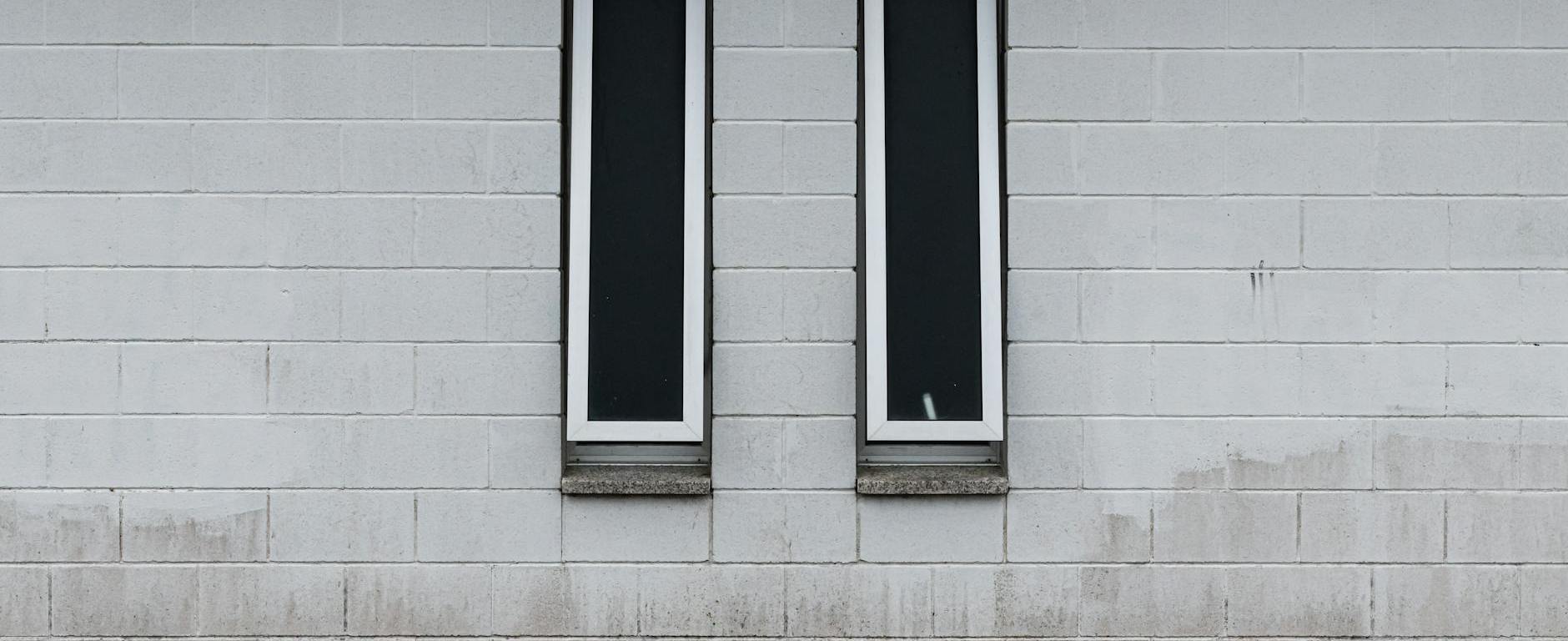
Residents across Cinniapolis and neighboring Walesburg are reporting dark streaks, pale residue patterns, and unusual discoloration appearing on home siding, rooftops, vehicles, and public buildings following the recent spate of Spring thunderstorms.
What first appeared to be ordinary seasonal grime has now drawn the attention of environmental monitors and municipal officials after preliminary testing showed elevated concentrations of industrial compounds and airborne particulate agents within recent rainfall events.
The result, according to several property owners, is a rain that doesn’t dry clean. “It leaves a film,” said Cinniapolis property owner Kris Voper, pointing to long amber, gray streaks trailing down the once eggshell white vinyl siding of his duplex. “You wash it off, and after the next rain it’s back again. It almost looks burned in.”
Across CNPS Stream posts, residents added photos of staining patterns which appeared after storms moved through the Centralis corridor late last week. Some photo comments described metallic odors lingering after rainfall. Other photos showed residue collecting around gutters, drains, and window seams in geometric patterns resembling ashes.
According to a brief statement released Tuesday by the Cinniapolis City Council, sampling performed after the April storm cycle detected levels of atmospheric chemical concentrations consistent with suspended industrial particulates. Officials stopped short of calling the rain hazardous, though the language used in the report has done little to quiet speculation.
“At this time, we are not advising residents to avoid standard outdoor exposure,” the statement read. “However, we are continuing to evaluate the persistence and composition of residual staining associated with recent precipitation.”
Independent analysts reviewing publicly available data noted similarities between the residue and what environmental literature has described as post-industrial fallout rain, a phenomenon in which airborne particles bind with moisture systems before descending during precipitation events.
Meteorologists say the unusual rain coincides with a broader atmospheric instability pattern that has hovered over the region since late Winter. This particular pattern is associated with erratic pressure waves, static-heavy cloud formations, and the recent low frequency sky hum reported intermittently around Cinniapolis. These anomalies continue to fuel the public’s fascination with the city’s increasingly strange weather behavior.
“The storms have been behaving differently,” said CNPS TV Lead Meteorologist Fran Dimple. “They’re more dense, organized, and carrying a particulate load that we’d normally expect to disperse elsewhere.” Ms. Dimple emphasized that no single source has been identified, though she acknowledged that recent atmospheric readings are outside historical seasonal averages.
For longtime residents, the stains have revived dormant conversations surrounding the alleged Ghost of Ray Cinniapolis, an enduring local mythology connecting unusual weather events, electromagnetic disturbances, and unexplained civic oddities to the city’s industrial past. While officials dismiss such theories as irrelevant, the overlap in timing has not gone unnoticed online.
One image circulating widely this week appears to show the outline of a human figure faintly visible in residue patterns left on the exterior wall of a shuttered warehouse near Lake Sinnissippi. The image could not be verified by the Chorus.
Downtown maintenance crews have begun pressure-washing portions of the municipal infrastructure, particularly lighter-colored surfaces where staining has become more visible after repeated rainfall. Property managers have reported increased demand for exterior cleaning services, while Thick Pickins GM Shaquille Aston confirmed sales of siding cleaners and sealants have risen sharply over the past ten days.
Public health officials maintain there is currently no evidence of acute toxicity linked to the rainfall. Still, several agencies confirmed they are expanding sampling efforts throughout the region. Residents are being advised to rinse outdoor furniture, avoid collecting rainwater for garden use until further notice, and report any unusual residue accumulation through the city’s environmental response portal.
Meanwhile, the rains continue. Slow-moving systems are forecast to remain over the region into next week, bringing additional rounds of precipitation and potentially additional staining rains with them.

