
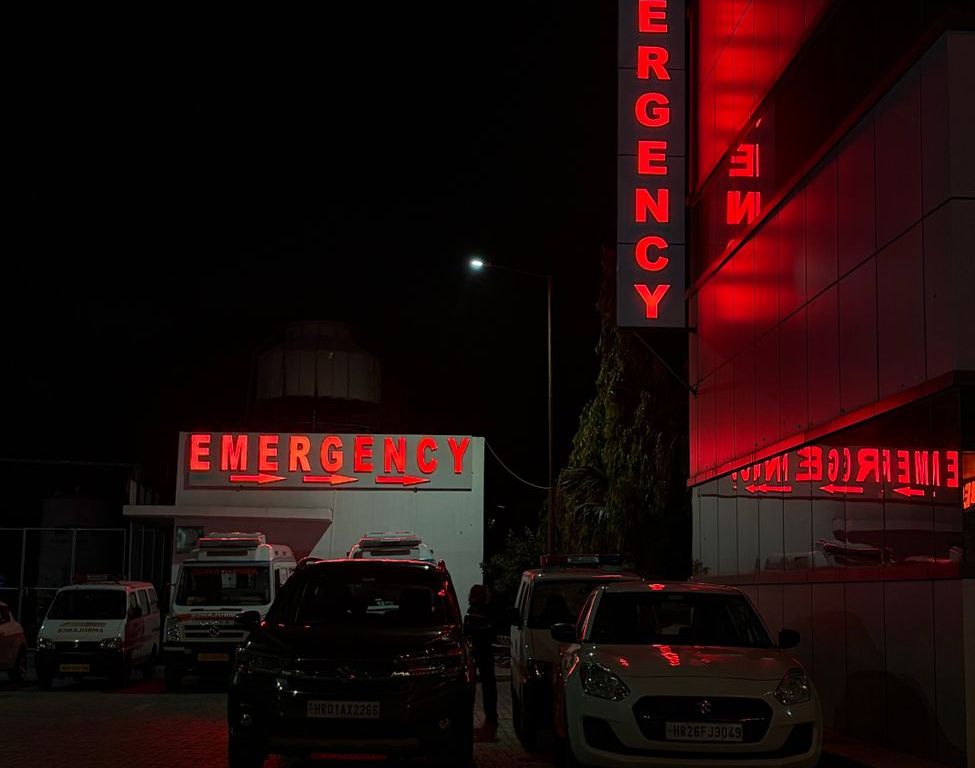
The foodborne illness problem plaguing Cinniapolis since the meat ban implementation has spilled over the city limits. Walesburg medical facilities are now reporting an influx of Cinniapolitans seeking treatment after local Cinniapolis clinics and urgent care facilities have become overwhelmed with long wait times and dwindling patience.
Walesburg reports the out-of-town patients have arrived with symptoms ranging from severe gastrointestinal distress to dehydration and other complications associated with contaminated food. Walesburg healthcare workers say the additional patients are placing pressure on facilities that were never intended to serve as overflow clinics for a neighboring city’s food crisis.
What began as a predictable consequence of the city’s prohibition on meat consumption has now become a regional healthcare problem. The City Council warned initially of underground markets and the dangers of consuming unregulated meat. However, Mayor Gondola’s administration underestimated the length to which Cinniapolitans would go to procure and provide illegal meat for one another. “We certainly want to help our neighbors,” said one Walesburg medical administrator. “But our facilities barely have capacity for local patients. We cannot indefinitely function as Cinniapolis’s backup healthcare system because of their taste for meat.”
The situation has become particularly noticeable as Cinniapolis patients seeking treatment for suspected food poisoning have reported spending hours waiting to be evaluated. Some have subsequently made the trip to Walesburg after CNPS Stream posts began trending they could receive medical attention more quickly there. Walesburg officials say they are sympathetic to the patients but increasingly frustrated with the circumstances producing the demand. “This isn’t a Walesburg problem but we have to help solve it,” said one local official. “It’s a Cinniapolis policy problem with an easy solution.”
Walesburg officials are now calling on the Cinniapolis government to reconsider the meat prohibition altogether. The request represents an increasingly unusual political position. A neighboring municipality advocating that Cinniapolis reverse one of its signature climate policies not because Walesburg wants to sell more meat, but because Walesburg’s healthcare system is becoming overwhelmed by the consequences of the ban.
“We understand why Cinniapolis enacted the prohibition,” a Walesburg spokesperson said. “But a policy that was intended to address one environmental concern has created an entirely different public health concern.” The spokesperson continued, “If people are going to eat meat anyway, it would be preferable for them to purchase inspected meat from a regulated supplier rather than gamble their health on something purchased out of the trunk of a car.”
The underground meat market exposed by Cinniapolis Law Enforcement has shown few signs of disappearing. If anything, the continued prohibition appears to have made the market more entrenched and organized. Consumers continue paying premium prices for beef, pork, poultry, and other prohibited meats, while suppliers continue operating outside the inspection and refrigeration standards that governed the former legal market. While no illegal meat dealer was willing to go on the record for our story, they insist the black market meat for sale is inspected and responsibly stored.
The Gondola administration has not indicated that it intends to lift the prohibition. City officials maintain that the policy remains an important component of Cinniapolis’s climate strategy after 2025 and 2026 to date have recorded fewer sever weather events than the previous years. Government leaders have continued urging residents to use approved meat alternatives. Officials have also warned residents against purchasing meat through unauthorized channels. That advice, however, has done little to eliminate demand. As long as residents want some meat, someone appears to be willing to provide it. And as long as that meat remains illegal, neither the city nor its neighboring communities have an effective way to ensure that what people are buying is safe.
For Walesburg, the issue is becoming increasingly difficult to ignore. Medical facilities are treating patients from outside their normal service area. Local healthcare workers are working additional hours. Meanwhile, the underground meat trade works equally as hard supplying the demand from the shadows in a game of cat and mouse with Cinniapolis authorities.

